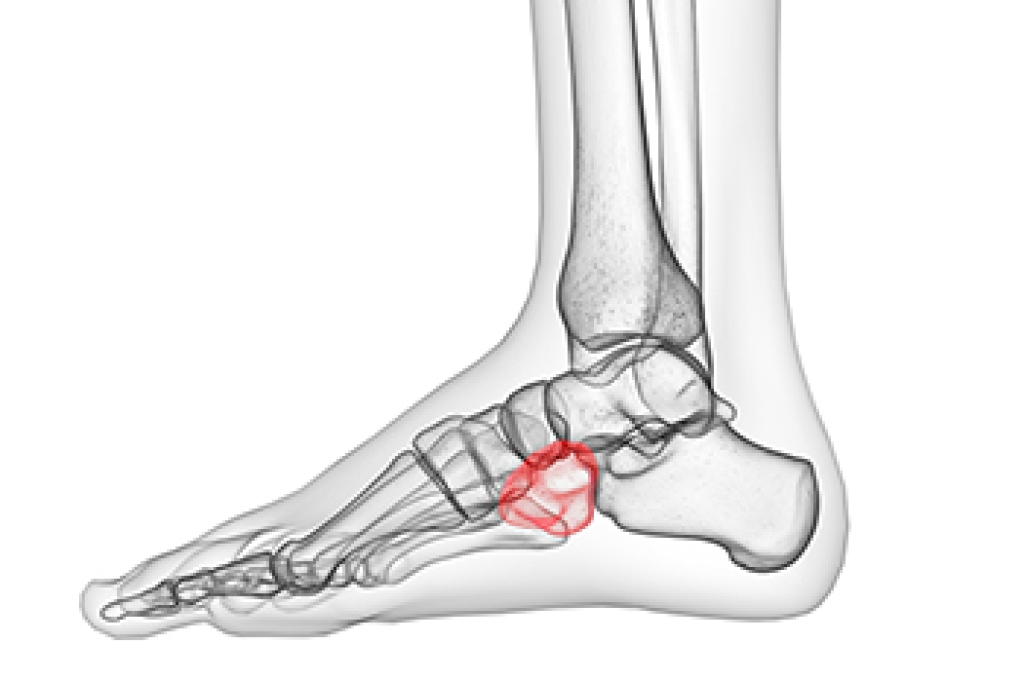
What Cuboid Syndrome Feels Like During Everyday Movement

Cuboid syndrome can cause stubborn pain along the outside of the foot, especially after an injury or demanding activity. The cuboid is a small bone in the midfoot that helps connect the heel area with the front of the foot. When this bone becomes irritated or moves out of its normal position, discomfort can develop. People may notice tenderness, aching, or pain while placing weight on the foot.

One common cause is an ankle sprain. The force from an injury can affect the position of the cuboid and surrounding tissues. Repetitive stress can also contribute, particularly during running, jumping, or sports that require frequent changes in direction. Risk factors include ankle instability, sudden increases in exercise, and wearing shoes that do not provide enough support. Flat feet or high arches may also change pressure across the outer midfoot.


During an evaluation, a podiatrist will ask about the injury or activity that preceded the symptoms. The foot will be examined for tenderness, swelling, and changes in alignment. X-rays or other imaging may be used when a fracture or another problem needs to be excluded. Treatment may include rest from aggravating activities, padding, or taping. In some cases, the podiatrist may perform a careful cuboid manipulation to restore normal positioning.


Cuboid syndrome usually affects the outer portion of the midfoot, near the cuboid bone between the heel and smaller toes. The discomfort may feel like a deep ache or a sharp pain during forceful push-off movements. Some people notice symptoms more strongly while walking on an uneven surface or standing for long periods. Since foot pain can have several causes, it is important to obtain an accurate diagnosis. If symptoms of cuboid syndrome continue, it is suggested that you consult a podiatrist for an accurate diagnosis and appropriate treatment.

Cuboid syndrome, also known as cuboid subluxation, occurs when the joints and ligaments near the cuboid bone in the foot become torn. If you have cuboid syndrome, consult with Charles Perry, DPM from Ohio. Our doctor will assess your condition and provide you with quality foot and ankle treatment.

Cuboid syndrome is a common cause of lateral foot pain, which is pain on the outside of the foot. The condition may happen suddenly due to an ankle sprain, or it may develop slowly overtime from repetitive tension through the bone and surrounding structures.

Causes

The most common causes of cuboid syndrome include:

  • Injury – The most common cause of this ailment is an ankle sprain.
  • Repetitive Strain – Tension placed through the peroneus longus muscle from repetitive activities such as jumping and running may cause excessive traction on the bone causing it to sublux.
  • Altered Foot Biomechanics – Most people suffering from cuboid subluxation have flat feet.

Symptoms

A common symptom of cuboid syndrome is pain along the outside of the foot which can be felt in the ankle and toes. This pain may create walking difficulties and may cause those with the condition to walk with a limp.

Diagnosis

Diagnosis of cuboid syndrome is often difficult, and it is often misdiagnosed. X-rays, MRIs and CT scans often fail to properly show the cuboid subluxation. Although there isn’t a specific test used to diagnose cuboid syndrome, your podiatrist will usually check if pain is felt while pressing firmly on the cuboid bone of your foot.

Treatment

Just as the range of causes varies widely, so do treatments. Some more common treatments are ice therapy, rest, exercise, taping, and orthotics.

If you have any questions, please feel free to contact our offices located in Cambridge and Zanesville, OH . We offer the newest diagnostic and treatment technologies for all your foot care needs.

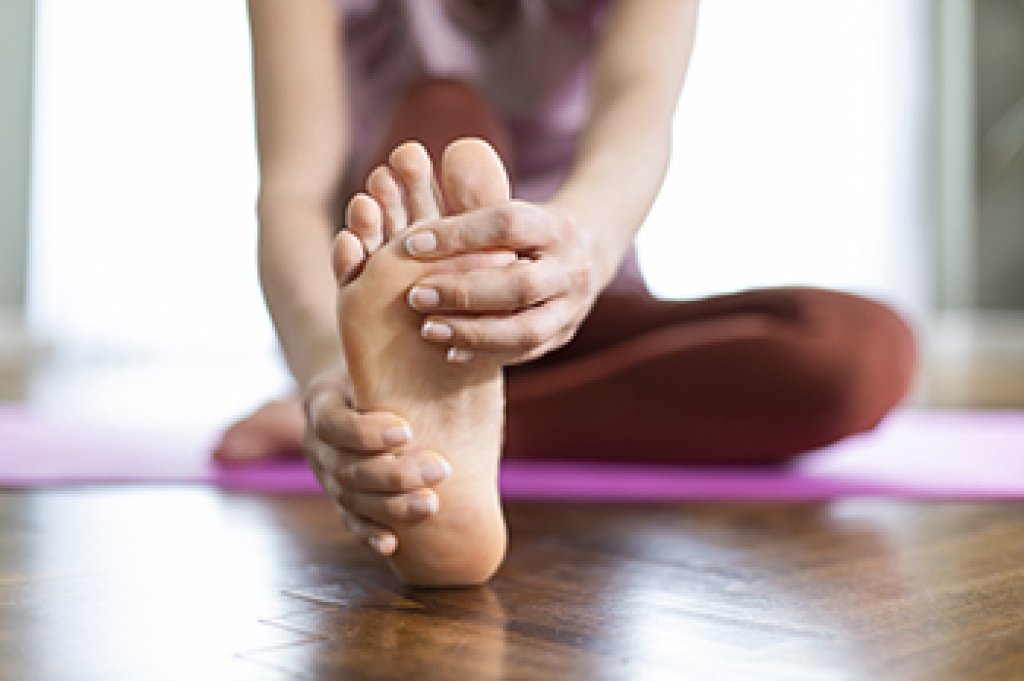
Read more about All About Cuboid Syndrome

Reminder: When Was the Last Time...?

Custom orthotics, or shoe inserts, should be periodically replaced. Orthotics must fit properly to give you the best results. Protect your feet and ankles!

Causes of Toe Pain and How a Podiatrist Can Help

Persistent toe pain can make simple daily activities uncomfortable and can affect how you walk. Pain in the big-toe joint can develop gradually or begin after an injury. Three important causes are bunions, osteoarthritis, and gout. A bunion forms when the bones at the big-toe joint move out of alignment. This creates a bump along the inside of the foot, while the big toe shifts toward the second toe. The bump can become painful when it presses against shoes. Bunions can also lead to stiffness and changes in nearby toes.

Osteoarthritis can also cause big-toe pain and stiffness. This condition develops when the joint becomes damaged, and movement becomes limited. In advanced cases, the big toe can become very stiff, and a bony bump can form on top of the joint. This can make closed shoes uncomfortable and cause patients to change the way they walk. Gout causes a different pattern of pain. It can produce sudden, severe pain with redness, heat, and swelling. Gout develops when urate crystals collect in a joint, and the big toe is a frequent site for an attack.

A podiatrist can examine the toe, identify the cause of the pain, and explain the treatment choices. Treatment depends on the condition and its severity. A podiatrist can recommend appropriate shoes, prescribe custom orthotics to improve joint function, or provide certain injections to reduce pain from osteoarthritis. When symptoms are severe and other treatments have not provided enough relief, surgery can be discussed. An accurate diagnosis is especially important because bunions, osteoarthritis, and gout require different approaches to care. If you have toe pain, it is suggested that you schedule an appointment with a podiatrist for a diagnosis and appropriate treatment.

Toe pain can disrupt your daily activities. If you have any concerns, contact Charles Perry, DPM of Ohio. Our doctor can provide the care you need to keep you pain-free and on your feet.

What Causes Toe Pain?

Most severe toe pain is caused due to a sports injury, trauma from dropping something heavy on the toe, or bumping into something rigid. Other problems can develop over time for various reasons.

Toe pain can be caused by one or more ailments. The most common include:

  • Trauma
  • Sports injury
  • Wearing shoes that are too tight
  • Arthritis
  • Gout
  • Corns and calluses
  • Hammertoe
  • Bunions
  • Blisters
  • Ingrown toenails
  • Sprains
  • Fractures (broken bones)
  • Dislocations

When to See a Podiatrist

  • Severe pain
  • Persistent pain that lasts more than a week
  • Signs of infection
  • Continued swelling
  • Pain that prevents walking

Diagnosis

In many cases the cause of toe pain is obvious, but in others, a podiatrist may want to use more advanced methods to determine the problem. These can range from simple visual inspections and sensation tests to X-rays and MRI scans. Prior medical history, family medical history, and any recent physical traumatic events will all be taken into consideration for a proper diagnosis.

Treatment

Treatments for toe pain and injuries vary and may include shoe inserts, padding, taping, medicines, injections, and in some cases, surgery. If you believe that you have broken a toe, please see a podiatrist as soon as possible.

If you have any questions please contact our offices located in Cambridge and Zanesville, OH . We offer the newest diagnostic and treatment technologies for all your foot and ankle needs.

Read more about Toe Pain

Athlete’s Foot Symptoms and Why Treatment Matters

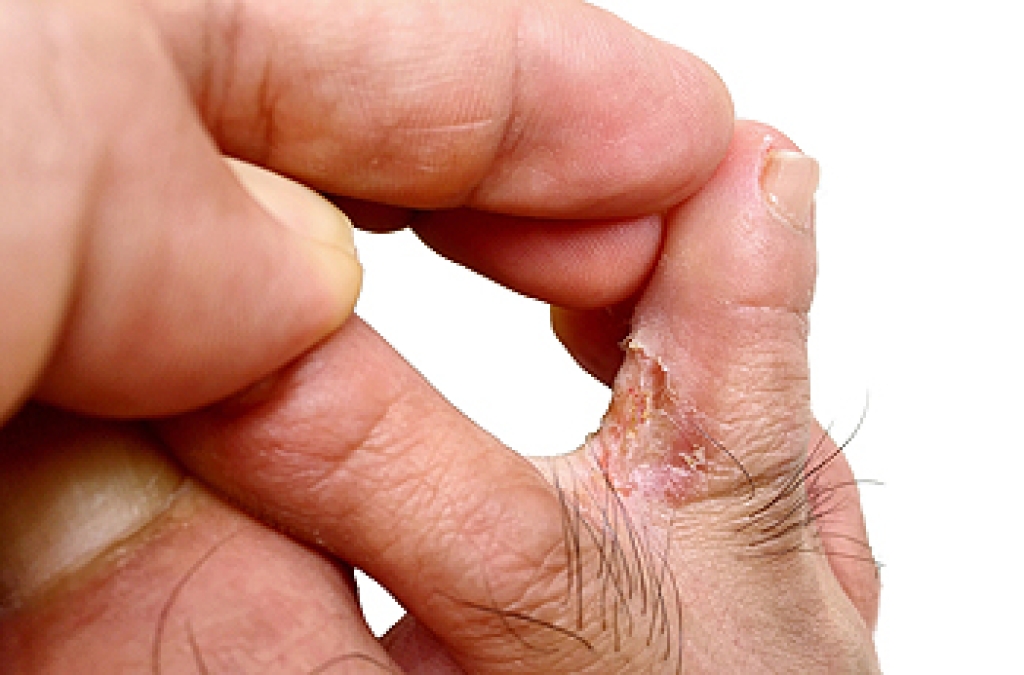
Athlete’s foot is a fungal infection that affects the skin of the feet. It is caused by fungi called dermatophytes, which thrive in warm, damp environments. The infection can develop between the toes, along the soles, or on other areas of the foot. Common symptoms include itching, burning, and cracked skin. Some people may also develop small blisters or soreness. Although athlete’s foot is usually manageable, untreated infections can spread to the toenails or other areas of the body.

There are several ways a person may develop athlete’s foot. Walking barefoot in damp public areas can increase exposure to fungi. Wearing sweaty shoes and socks for long periods creates an environment where fungal organisms thrive. Sharing footwear, socks, or towels with someone who has a fungal infection can also increase the risk. Athletes may be particularly vulnerable because sports often involve sweating, shared facilities, and prolonged periods in enclosed shoes. Other risk factors include excessive foot sweating, minor skin damage, and keeping the feet damp after bathing or exercise.


A podiatrist can diagnose athlete’s foot by examining the affected skin and reviewing symptoms. In some cases, a small skin sample may be tested to confirm a fungal infection when the diagnosis is uncertain. The podiatrist may recommend an appropriate antifungal medication and provide guidance about footwear and foot hygiene. If the skin is cracked or severely irritated, additional care may be needed to reduce the risk of bacterial infection. Persistent infections may require further evaluation.


Preventing athlete’s foot involves keeping the feet clean and dry and changing damp socks or shoes promptly. Patients should also avoid sharing personal items that contact the feet and should use appropriate footwear in communal wet areas. Seeking treatment early can reduce discomfort and help prevent the infection from spreading. If you have symptoms of athlete’s foot, it is suggested that you consult a podiatrist for effective relief and treatment solutions, which may include prescribed medication. 

Athlete’s Foot

Athlete’s foot is often an uncomfortable condition to experience. Thankfully, podiatrists specialize in treating athlete’s foot and offer the best treatment options. If you have any questions about athlete’s foot, consult with Charles Perry, DPM from Ohio. Our doctor will assess your condition and provide you with quality treatment.

What Is Athlete’s Foot?

Tinea pedis, more commonly known as athlete’s foot, is a non-serious and common fungal infection of the foot. Athlete’s foot is contagious and can be contracted by touching someone who has it or infected surfaces. The most common places contaminated by it are public showers, locker rooms, and swimming pools. Once contracted, it grows on feet that are left inside moist, dark, and warm shoes and socks.

Prevention

The most effective ways to prevent athlete’s foot include:

  • Thoroughly washing and drying feet
  • Avoid going barefoot in locker rooms and public showers
  • Using shower shoes in public showers
  • Wearing socks that allow the feet to breathe
  • Changing socks and shoes frequently if you sweat a lot

Symptoms

Athlete’s foot initially occurs as a rash between the toes. However, if left undiagnosed, it can spread to the sides and bottom of the feet, toenails, and if touched by hand, the hands themselves. Symptoms include:

  • Redness
  • Burning
  • Itching
  • Scaly and peeling skin

Diagnosis and Treatment

Diagnosis is quick and easy. Skin samples will be taken and either viewed under a microscope or sent to a lab for testing. Sometimes, a podiatrist can diagnose it based on simply looking at it. Once confirmed, treatment options include oral and topical antifungal medications.

If you have any questions, please feel free to contact our offices located in Cambridge and Zanesville, OH . We offer the newest diagnostic and treatment technologies for all your foot care needs.
Read more about How to Deal with Athlete's Foot

Heel Pain May Indicate Achilles Tendon Bursitis

Achilles tendon bursitis develops when a bursa becomes irritated near the back of the heel where the tendon attaches. The bursa, a small sac of fluid, helps reduce friction between the tendon and nearby tissues. When it becomes inflamed, pain and swelling can make walking and wearing shoes uncomfortable. Posterior Achilles tendon bursitis affects young women more frequently than other groups. One important risk factor is wearing high-heeled shoes. Another is a Haglund deformity, which is a bony bump on the back of the heel bone. Repeated rubbing between this bony area and the back of a shoe can irritate the bursa and lead to ongoing inflammation. Symptoms include redness, warmth, and tenderness near the back of the heel. 

A podiatrist diagnoses Achilles tendon bursitis by discussing symptoms and examining the back of the heel. The location of the pain and the presence of the tender lump help confirm the diagnosis. Imaging tests also help identify a Haglund deformity or rule out other causes of heel pain. Conditions affecting the Achilles tendon can cause similar discomfort, but they usually do not produce the soft lump that develops with bursitis. An accurate diagnosis is important because treatment depends on identifying the exact source of the pain.

Treatment focuses on reducing irritation surrounding the inflamed bursa and preventing further pressure against the heel. A podiatrist recommends shoes that fit properly and have lower heels. Custom orthotics can improve foot stability and reduce stress on the back of the heel while walking. Protective padding also helps reduce rubbing between the shoe and the irritated area. When symptoms continue despite conservative care, surgery to remove the bony prominence or inflamed tissue can be recommended. If you have Achilles tendon pain, it is suggested that you schedule an appointment with a podiatrist for diagnosis and appropriate treatment.

Achilles tendon injuries need immediate attention to avoid future complications. If you have any concerns, contact Charles Perry, DPM of Ohio. Our doctor can provide the care you need to keep you pain-free and on your feet.

What Is the Achilles Tendon?

The Achilles tendon is a tendon that connects the lower leg muscles and calf to the heel of the foot. It is the strongest tendon in the human body and is essential for making movement possible. Because this tendon is such an integral part of the body, any injuries to it can create immense difficulties and should immediately be presented to a doctor.

What Are the Symptoms of an Achilles Tendon Injury?

There are various types of injuries that can affect the Achilles tendon. The two most common injuries are Achilles tendinitis and ruptures of the tendon.

Achilles Tendinitis Symptoms

  • Inflammation
  • Dull to severe pain
  • Increased blood flow to the tendon
  • Thickening of the tendon

Rupture Symptoms

  • Extreme pain and swelling in the foot
  • Total immobility

Treatment and Prevention

Achilles tendon injuries are diagnosed by a thorough physical evaluation, which can include an MRI. Treatment involves rest, physical therapy, and in some cases, surgery. However, various preventative measures can be taken to avoid these injuries, such as:

  • Thorough stretching of the tendon before and after exercise
  • Strengthening exercises like calf raises, squats, leg curls, leg extensions, leg raises, lunges, and leg presses

If you have any questions please feel free to contact our offices located in Cambridge and Zanesville, OH . We offer the newest diagnostic tools and technology to treat your foot and ankle needs.

Read more about Achilles Tendon Injuries

Connect With Us