
Lisfranc Injury and Midfoot Damage

A Lisfranc injury is a serious condition that affects the midfoot where the metatarsal bones connect to the tarsal bones. It often occurs when the foot is twisted or crushed, causing damage to the ligaments that support this area. Common causes include falls, sports injuries, or accidents involving heavy impact. Symptoms may include swelling on the top of the foot, pain when standing or walking, and difficulty bearing weight. Some people may also notice bruising on the bottom of the foot, which is a key warning sign. Risk factors include high impact sports, uneven surfaces, and previous foot injuries. If not properly treated, the injury can lead to long term instability and chronic pain. A podiatrist can diagnose the injury using imaging, assess severity, and guide appropriate treatment to restore stability and function. It is suggested that if you have a fractured foot, please visit a podiatrist for effective relief and treatment solutions.

A broken foot requires immediate medical attention and treatment. If you need your feet checked, contact Charles Perry, DPM from Ohio. Our doctor can provide the care you need to keep you pain-free and on your feet.

Broken Foot Causes, Symptoms, and Treatment

A broken foot is caused by one of the bones in the foot typically breaking when bended, crushed, or stretched beyond its natural capabilities. Usually the location of the fracture indicates how the break occurred, whether it was through an object, fall, or any other type of injury. 

Common Symptoms of Broken Feet:

  • Bruising
  • Pain
  • Redness
  • Swelling
  • Blue in color
  • Numbness
  • Cold
  • Misshapen
  • Cuts
  • Deformities

Those that suspect they have a broken foot shoot seek urgent medical attention where a medical professional could diagnose the severity.

Treatment for broken bones varies depending on the cause, severity and location. Some will require the use of splints, casts or crutches while others could even involve surgery to repair the broken bones. Personal care includes the use of ice and keeping the foot stabilized and elevated.

If you have any questions, please feel free to contact our offices located in Cambridge and Zanesville, OH . We offer the newest diagnostic and treatment technologies for all your foot care needs.

Read more about Causes, Symptoms, and Treatment for a Broken Foot

The Three Stages of Ingrown Toenails

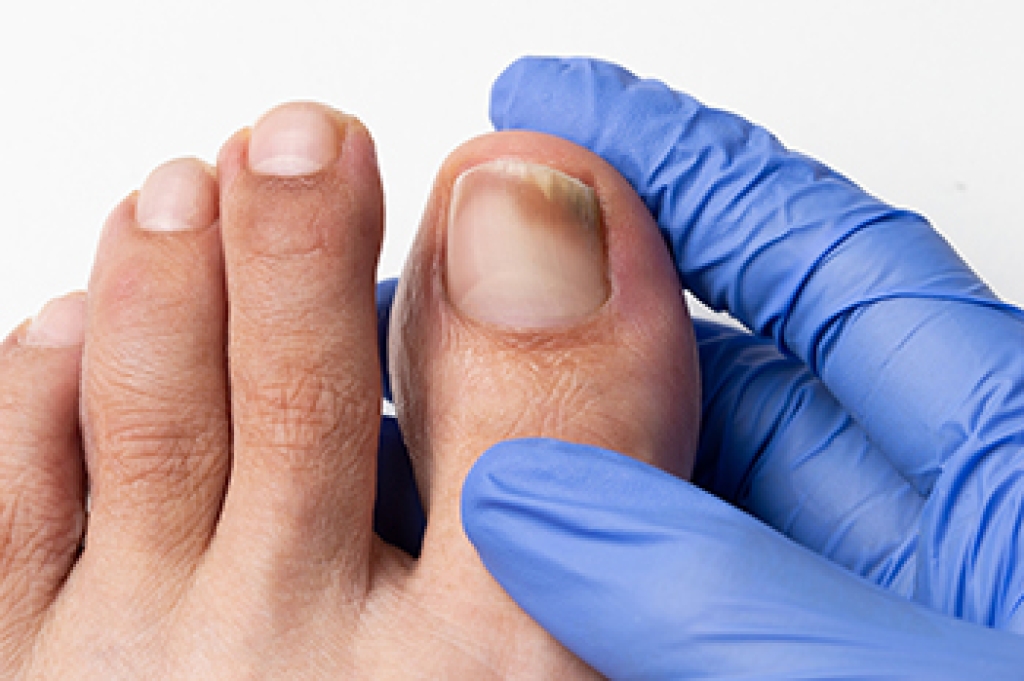
An ingrown toenail is a condition in which the sides or corners of a toenail dig into the surrounding skin. Ingrown toenails are classified into three stages based on their severity. In stage 1, the end of the toe becomes reddened and mildly swollen. The affected toe can feel warm and painful to the touch, but has no pus or drainage. In stage 2, the toe becomes increasingly red, swollen, and painful, with yellow or white pus draining from the area. An infection may develop. In stage 3, the redness and swelling increase even more, and a mass of new tissue can grow around the nail, adding even more swelling and more pus.  At this stage, infections may be more severe and can be accompanied by a fever. If you have a painful or infected ingrown toenail, it is strongly recommended that you visit a podiatrist for treatment.

Ingrown toenails can become painful if they are not treated properly. For more information about ingrown toenails, contact Charles Perry, DPM of Ohio. Our doctor can provide the care you need to keep you pain-free and on your feet.

Ingrown Toenails

Ingrown toenails occur when a toenail grows sideways into the bed of the nail, causing pain, swelling, and possibly infection.

Causes

  • Bacterial infections
  • Improper nail cutting such as cutting it too short or not straight across
  • Trauma to the toe, such as stubbing, which causes the nail to grow back irregularly
  • Ill-fitting shoes that bunch the toes too close together
  • Genetic predisposition

Prevention

Wearing proper fitting shoes and using proper cutting techniques will also help decrease your risk of developing ingrown toenails.

Treatment

Ingrown toenails are a very treatable foot condition. In minor cases, soaking the affected area in salt or antibacterial soaps will not only help with the ingrown nail itself, but also help prevent any infections from occurring. In more severe cases, surgery is an option. In either case, speaking to your podiatrist about this condition will help you get a better understanding of specific treatment options that are right for you.

If you have any questions, please feel free to contact our offices located in Cambridge and Zanesville, OH . We offer the newest diagnostic and treatment technologies for all your foot care needs.
Read more about Ingrown Toenails

Signs of Toenail Fungus

Toenail fungus affects the nail and the skin beneath it. It develops when fungi enter through small cracks in the nail or surrounding skin, often in warm and moist environments. Early signs may include discoloration, usually yellow or white, along with thickening and brittleness of the nail. As the condition progresses, the nail may become distorted, crumbly, or separate from the nail bed. Risk factors include wearing tight shoes, excessive sweating, and aging. Conditions that affect circulation may also be factors. The infection tends to worsen over time, if not treated, and can spread to other nails. A podiatrist can diagnose the infection, determine its severity, and provide targeted treatments to restore nail health and prevent recurrence. If you notice signs of toenail fungus, it is suggested that you consult a podiatrist who can effectively treat this condition, which may include prescribed medication.

If left untreated, toenail fungus may spread to other toenails, skin, or even fingernails. If you suspect you have toenail fungus it is important to seek treatment right away. For more information about treatment, contact Charles Perry, DPM of Ohio. Our doctor can provide the care you need to keep you pain-free and on your feet.

Symptoms

  • Warped or oddly shaped nails
  • Yellowish nails
  • Loose/separated nail
  • Buildup of bits and pieces of nail fragments under the nail
  • Brittle, broken, thickened nail

Treatment

If self-care strategies and over-the-counter medications does not help your fungus, your podiatrist may give you a prescription drug instead. Even if you find relief from your toenail fungus symptoms, you may experience a repeat infection in the future.

Prevention

In order to prevent getting toenail fungus in the future, you should always make sure to wash your feet with soap and water. After washing, it is important to dry your feet thoroughly especially in between the toes. When trimming your toenails, be sure to trim straight across instead of in a rounded shape. It is crucial not to cover up discolored nails with nail polish because that will prevent your nail from being able to “breathe”.

In some cases, surgical procedure may be needed to remove the toenail fungus. Consult with your podiatrist about the best treatment options for your case of toenail fungus.  

If you have any questions please contact our offices located in Cambridge and Zanesville, OH . We offer the newest diagnostic and treatment technologies for all your foot and ankle needs.

Read more about How to Treat Your Toenail Fungus

How Athlete's Foot Spreads

Athlete's foot is a fungal infection that affects the skin of the feet and commonly develops in warm, moist environments. The condition often begins between the toes, but may spread to the soles or sides of the feet. Symptoms include itching, burning, and peeling skin. An uncomfortable rash that may sting or become painful may also occur. In some cases, small blisters or dry flaky patches may appear. Athlete's foot can spread through direct contact with contaminated surfaces, such as locker room floors, public showers, and swimming pools. Shared footwear and towels, sweaty feet, and tight shoes also may create conditions that allow the fungus to thrive. A podiatrist can diagnose the infection by examining the skin and determining whether additional testing is needed. Treatment may include antifungal creams, oral medications for persistent infections, and guidance on keeping the feet clean and dry. Proper footwear and hygiene habits can help reduce the risk of recurrence. If you have athlete's foot, it is suggested that you schedule an appointment with a podiatrist for effective treatment solutions.

Athlete’s foot is an inconvenient condition that can be easily reduced with the proper treatment. If you have any concerns about your feet and ankles, contact Charles Perry, DPM from Ohio.  Our doctor will treat your foot and ankle needs.

Athlete’s Foot: The Sole Story

Athlete's foot, also known as tinea pedis, can be an extremely contagious foot infection. It is commonly contracted in public changing areas and bathrooms, dormitory style living quarters, around locker rooms and public swimming pools, or anywhere your feet often come into contact with other people.

Solutions to Combat Athlete’s Foot

  • Hydrate your feet by using lotion
  • Exfoliate
  • Buff off nails
  • Use of anti-fungal products
  • Examine your feet and visit your doctor if any suspicious blisters or cuts develop

Athlete’s foot can cause many irritating symptoms such as dry and flaking skin, itching, and redness. Some more severe symptoms can include bleeding and cracked skin, intense itching and burning, and even pain when walking. In the worst cases, Athlete’s foot can cause blistering as well. Speak to your podiatrist for a better understanding of the different causes of Athlete’s foot, as well as help in determining which treatment options are best for you.

If you have any questions please feel free to contact our offices located in Cambridge and Zanesville, OH . We offer the newest diagnostic and treatment technologies for all your foot and ankle needs.

Read more about Athlete's Foot

Connect With Us