
Plantar warts are small growths that develop on parts of the feet that bear weight. They're typically found on the bottom of the foot. Don't live with plantar warts, and call us today!
Plantar warts are small growths that develop on parts of the feet that bear weight. They're typically found on the bottom of the foot. Don't live with plantar warts, and call us today!

Stress fractures in the feet are small cracks in the bone that develop from repeated strain. They often occur when activity increases quickly or when the foot absorbs repeated impact, such as running or jumping. Pain usually begins gradually and worsens with movement, especially in weight-bearing bones like the long bones of the feet. Stress fractures can be difficult to detect early because swelling and bruising may be mild. A podiatrist can examine the foot, check for tender areas, and order imaging tests such as MRI scans to confirm the diagnosis. Treatment includes reducing stress on the bone and using supportive devices like walking boots, braces, or custom inserts. These help to limit movement and reduce pressure on the injured area as healing continues. Care also includes a guided return to activity to prevent long-term problems. If you have symptoms of a stress fracture after vigorous activity, it is suggested that you make an appointment with a podiatrist for help.
Activities where too much pressure is put on the feet can cause stress fractures. To learn more, contact Charles Perry, DPM from Ohio. Our doctor can provide the care you need to keep your pain free and on your feet.
Dealing with Stress Fractures of the Foot and Ankle
Stress fractures occur in the foot and ankle when muscles in these areas weaken from too much or too little use. The feet and ankles then lose support when walking or running from the impact of the ground. Since there is no protection, the bones receive the full impact of each step. Stress on the feet can cause cracks to form in the bones, thus creating stress fractures.
What Are Stress Fractures?
Stress fractures occur frequently in individuals whose daily activities cause great impact on the feet and ankles. Stress factors are most common among:
Symptoms
Pain from the fractures occur in the area of the fractures and can be constant or intermittent. It will often cause sharp or dull pain with swelling and tenderness. Engaging in any kind of activity which involves high impact will aggravate pain.
If you have any questions please contact our offices located in Cambridge and Zanesville, OH . We offer the newest diagnostic and treatment technologies for all your foot and ankle needs.
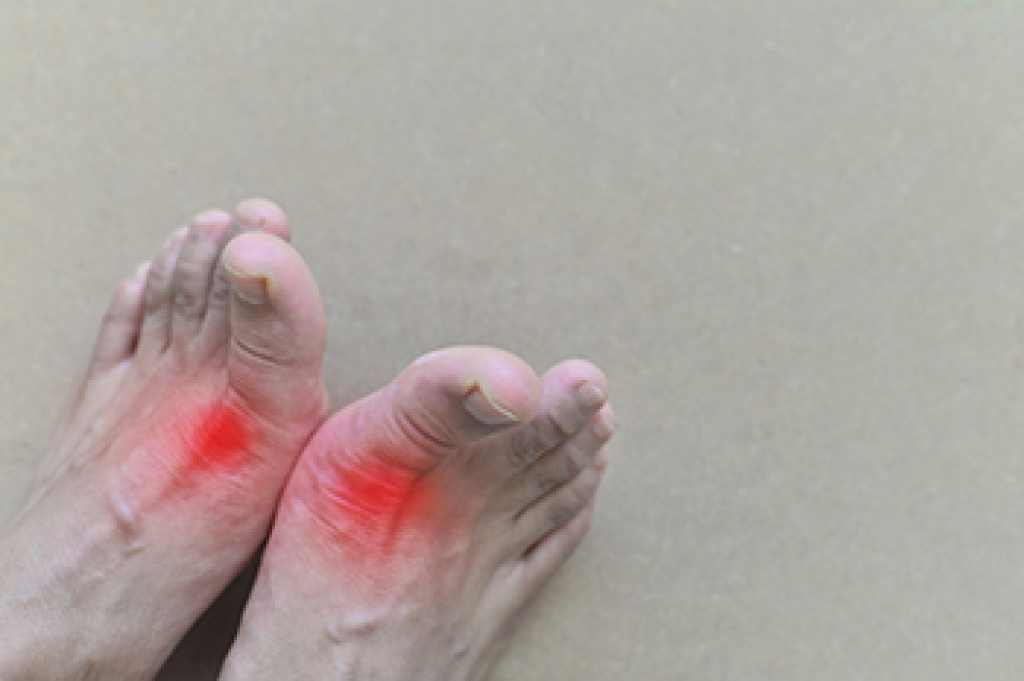
Gout is a form of arthritis that often affects the big toe, causing sudden and intense pain that may begin overnight. The joint can become red, swollen, and warm, making even light pressure from a sheet feel uncomfortable. It may look visibly inflamed and feel stiff, limiting movement during a flare. Gout develops when uric acid builds up in the bloodstream and forms crystals in the joint, which can be triggered by diet, dehydration, certain medications, or underlying health conditions. A podiatrist can recognize gout through a physical exam and may confirm it with imaging or laboratory testing. Treatment focuses on reducing inflammation, relieving pain, and preventing future attacks through medication and lifestyle guidance. Early care can help protect the joint from long-term damage. If you suspect you may have gout, it is suggested that you make an appointment with a podiatrist.
Gout is a foot condition that requires certain treatment and care. If you are seeking treatment, contact Charles Perry, DPM from Ohio. Our doctor will treat your foot and ankle needs.
What Is Gout?
Gout is a type of arthritis caused by a buildup of uric acid in the bloodstream. It often develops in the foot, especially the big toe area, although it can manifest in other parts of the body as well. Gout can make walking and standing very painful and is especially common in diabetics and the obese.
People typically get gout because of a poor diet. Genetic predisposition is also a factor. The children of parents who have had gout frequently have a chance of developing it themselves.
Gout can easily be identified by redness and inflammation of the big toe and the surrounding areas of the foot. Other symptoms include extreme fatigue, joint pain, and running high fevers. Sometimes corticosteroid drugs can be prescribed to treat gout, but the best way to combat this disease is to get more exercise and eat a better diet.
If you have any questions, please feel free to contact our offices located in Cambridge and Zanesville, OH . We offer the newest diagnostic and treatment technologies for all your foot care needs.

Foot and ankle pain while cycling is often related to bike setup and support. Achilles tendonitis can develop from the pedaling motion, especially when the saddle is set too high. This can lead to tightness and pain in the back of the ankle. Ankle discomfort may also occur in those with flat feet, which can affect stability during each pedal stroke. Foot pain is often linked to wearing shoes that lack proper support or riding in too high a gear. These factors increase pressure against the pedal and cause soreness or burning pain. Risk factors include repetitive motion, poor alignment, and improper equipment. A podiatrist can evaluate your foot mechanics and recommend supportive solutions. If cycling pain is limiting your rides, it is suggested that you consult a podiatrist who can provide effective relief solutions, enabling you to return to this popular activity.
Ankle and foot injuries are common among athletes and in many sports. They can be caused by several problems and may be potentially serious. If you are feeling pain or think you were injured in a sporting event or when exercising, consult with Charles Perry, DPM from Ohio. Our doctor will assess your condition and provide you with quality foot and ankle treatment.
Common Injuries
The most common injuries that occur in sporting activities include:
Symptoms
Symptoms vary depending upon the injury and in some cases, there may be no symptoms at all. However, in most cases, some form of symptom is experienced. Pain, aching, burning, bruising, tenderness, tightness or stiffness, sensation loss, difficulty moving, and swelling are the most common symptoms.
Treatment
Just as symptoms vary depending upon the injury, so do treatment options. A common treatment method is known as the RICE method. This method involves rest, applying ice, compression and elevating the afflicted foot or ankle. If the injury appears to be more serious, surgery might be required, such as arthroscopic or reconstructive surgery. Lastly, rehabilitation or therapy might be needed to gain full functionality in the afflicted area. Any discomfort experienced by an athlete must be evaluated by a licensed, reputable medical professional.
If you have any questions please contact our offices located in Cambridge and Zanesville, OH . We offer the newest diagnostic and treatment technologies for all your foot and ankle needs.

Chronic foot wounds in people with diabetes require careful and consistent management to prevent serious complications. High blood sugar can damage nerves and reduce circulation, making it harder to feel injuries and slower for wounds to heal. Even minor cuts or pressure areas can develop into ulcers if not treated promptly. Early assessment is imperative to identify infection, poor blood flow, or pressure issues. A podiatrist plays an essential role by evaluating the wound, reducing pressure through offloading, and recommending appropriate dressings and footwear. Regular monitoring helps ensure the wound is healing and allows for timely adjustments in care. Good blood sugar control, daily foot checks, and proper hygiene also support recovery. Without treatment, chronic wounds can worsen and lead to severe outcomes. With professional care and early intervention, healing improves and risks are significantly reduced. If you have diabetes, it is suggested that you schedule regular appointments with a podiatrist for exams and necessary treatment.
Diabetic foot care is important in preventing foot ailments such as ulcers. If you are suffering from diabetes or have any other concerns about your feet, contact Charles Perry, DPM from Ohio. Our doctor can provide the care you need to keep you pain-free and on your feet.
Diabetic Foot Care
Diabetes affects millions of people every year. The condition can damage blood vessels in many parts of the body, especially the feet. Because of this, taking care of your feet is essential if you have diabetes, and having a podiatrist help monitor your foot health is highly recommended.
The Importance of Caring for Your Feet
Patients with diabetes should have their doctor monitor their blood levels, as blood sugar levels play such a huge role in diabetic care. Monitoring these levels on a regular basis is highly advised.
It is always best to inform your healthcare professional of any concerns you may have regarding your feet, especially for diabetic patients. Early treatment and routine foot examinations are keys to maintaining proper health, especially because severe complications can arise if proper treatment is not applied.
If you have any questions, please feel free to contact our offices located in Cambridge and Zanesville, OH . We offer the newest diagnostic and treatment technologies for all your foot care needs.
Connect With Us
