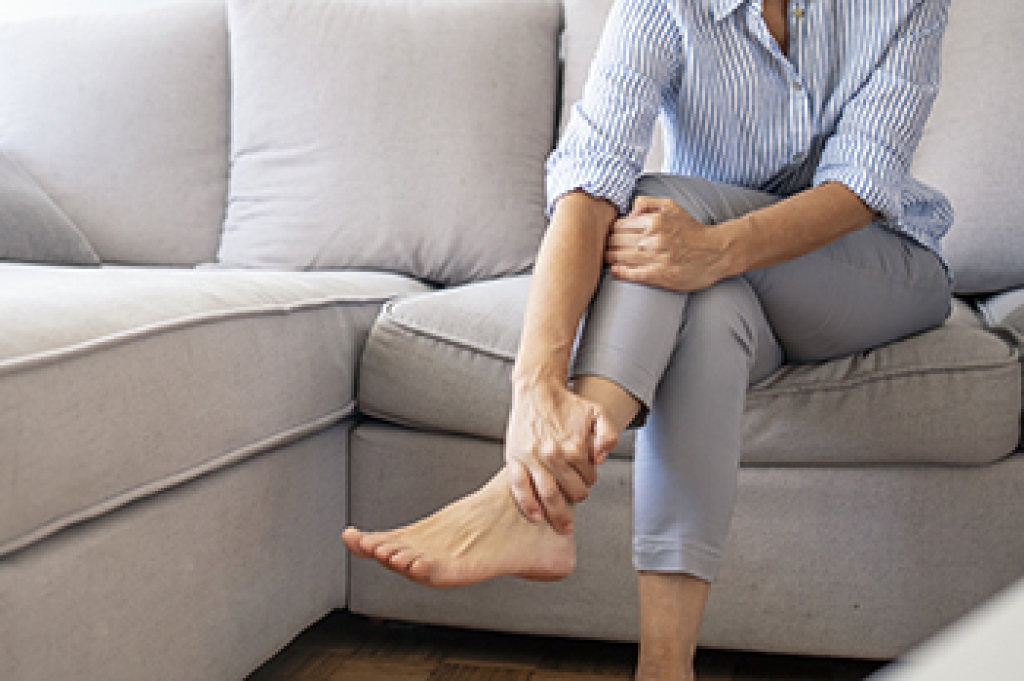
When Foot Pain May Indicate Arthritis

Foot pain can occur after long hours of standing, sports activity, or wearing shoes that do not fit well. Sometimes the pain improves, but ongoing discomfort may be a sign of arthritis. This inflammatory joint condition causes swelling, stiffness, and reduced movement. The foot has many small joints that help support body weight and allow smooth walking. When arthritis affects these joints, pain may worsen with activity or after periods of rest. Osteoarthritis develops when cartilage, the smooth tissue that cushions bones, gradually wears away. Other forms, such as rheumatoid arthritis and psoriatic arthritis, occur when the immune system attacks joint tissue. Gout is another type of arthritis that causes sudden, intense pain when crystal deposits form in a joint, often in the big toe. A podiatrist can identify the cause of foot pain, assess joint damage, and recommend medical treatment to improve comfort and walking ability. If you are experiencing foot pain, it is suggested that you make an appointment with a podiatrist.

Arthritis can be a difficult condition to live with. If you are seeking treatment, contact Charles Perry, DPM from Ohio. Our doctor can provide the care you need to keep you pain-free and on your feet.

Arthritic Foot Care  

Arthritis is a term that is commonly used to describe joint pain.  The condition itself can occur to anyone of any age, race, or gender, and there are over 100 types of it.  Nevertheless, arthritis is more commonly found in women compared to men, and it is also more prevalent in those who are overweight. The causes of arthritis vary depending on which type of arthritis you have. Osteoarthritis for example, is often caused by injury, while rheumatoid arthritis is caused by a misdirected immune system.

Symptoms

  • Swelling
  • Pain
  • Stiffness
  • Decreased Range of Motion

Arthritic symptoms range in severity, and they may come and go. Some symptoms stay the same for several years but could potentially get worse with time. Severe cases of arthritis can prevent its sufferers from performing daily activities and make walking difficult.

Risk Factors

  • Occupation – Occupations requiring repetitive knee movements have been linked to osteoarthritis
  • Obesity – Excess weight can contribute to osteoarthritis development
  • Infection – Microbial agents can infect the joints and trigger arthritis
  • Joint Injuries – Damage to joints may lead to osteoarthritis
  • Age – Risk increases with age
  • Gender –Most types are more common in women
  • Genetics – Arthritis can be hereditary

If you suspect your arthritis is affecting your feet, it is crucial that you see a podiatrist immediately. Your doctor will be able to address your specific case and help you decide which treatment method is best for you.

If you have any questions please feel free to contact our offices located in Cambridge and Zanesville, OH . We offer the newest diagnostic tools and technology to treat your foot and ankle needs.


Read more about How to Care for Your Arthritic Foot

Why Live with Pain and Numbness in Your Feet?

Suffering from this type of pain? You may have the foot condition known as Morton's neuroma. Morton's neuroma may develop as a result of ill-fitting footwear and existing foot deformities. We can help.

Proper Footwear for Healthcare Workers

Healthcare workers spend long hours standing and walking, which makes wearing proper footwear essential for comfort, safety, and injury prevention. Wearing well-fitted, supportive shoes helps reduce strain on the feet, ankles, and lower legs, which can lower the risk of conditions such as plantar fasciitis, tendon irritation, and joint discomfort. Protective, slip-resistant footwear can also help guard against workplace hazards, including exposure to blood-borne pathogens and other fluids that may be present in medical environments. Wearing supportive shoes can also help reduce muscle fatigue by providing cushioning and stability throughout demanding shifts. A podiatrist can evaluate foot structure, recommend proper footwear, and address developing foot problems. If foot pain or fatigue affects work performance, it is suggested that you promptly consult a podiatrist who can guide you on correct shoes to wear for ease and foot protection during your work day. 

While working on the feet, it is important to take the proper care of them. For more information about working on your feet, contact Charles Perry, DPM from Ohio. Our doctor will treat your foot and ankle needs.

Working on Your Feet

Standing on your feet for long periods of time can cause stress and pain in your feet. Your whole body may experience change in terms of posture, back pain, bunions, callouses and or plantar warts. There are ways to avoid these conditions with proper foot care, smart choices and correct posture.

Positive Changes

Negative heeled shoe – Choosing this shoe type places the heel slightly lower than the ball of the foot. These are great for overall foot health. Find shoes that fit you correctly.

Go barefoot – Our feet were not designed to be enclosed for all hours of the day. Try to periodically expose your feet to air.

Eliminate Pain

Foot Exercises – Performing simple exercises, incorporating yoga and doing stretches are beneficial. This will allow increased blood flow to the area and muscles of the foot.

Achilles tendon – Stretching the foot out flat on the floor will relax the calf muscles and tendon. These exercises can be performed almost anywhere. Make sure you add these exercises to your daily regimen. 

With a little bit of this information and knowing more about foot health, you will notice changes. Foot stretches and proper footwear will help with pain and prevent further issues.

If you have any questions please contact our offices located in Cambridge and Zanesville, OH . We offer the newest diagnostic and treatment technologies for all your foot and ankle needs.

Read more about How to Handle a Long Work Day on Your Feet

When a Bent Toe Becomes a Daily Problem

A hammertoe is a condition in which one of the smaller toes bends at the middle joint, creating a curled or claw-like appearance. This change often develops slowly as tendons and muscles become imbalanced. Wearing tight or narrow shoes can push the toes into a cramped position and worsen the deformity. Over time, the toe may become stiff and difficult to straighten. Common symptoms include pain while walking, corns on the top of the toe, and redness from shoe pressure. In early stages, the toe may still be flexible. As the condition progresses, the joint can become rigid. Conservative care may include wearing roomier footwear, using protective padding, and performing gentle stretching exercises. Custom orthotics can also reduce strain on the forefoot. Addressing the problem early may prevent worsening discomfort. If you notice a toe that is bending and causing pain, it is suggested that you see a podiatrist for a proper diagnosis and appropriate treatment.

Hammertoes can be a painful condition to live with. For more information, contact Charles Perry, DPM of Ohio. Our doctor will answer any of your foot- and ankle-related questions.

Hammertoe

Hammertoe is a foot deformity that occurs due to an imbalance in the muscles, tendons, or ligaments that normally hold the toe straight. It can be caused by the type of shoes you wear, your foot structure, trauma, and certain disease processes.

Symptoms

  • Painful and/or difficult toe movement
  • Swelling
  • Joint stiffness
  • Calluses/Corns
  • Physical deformity

Risk Factors

  • Age – The risk of hammertoe increases with age
  • Sex – Women are more likely to have hammertoe compared to men
  • Toe Length – You are more likely to develop hammertoe if your second toe is longer than your big toe
  • Certain Diseases – Arthritis and diabetes may make you more likely to develop hammertoe

Treatment

If you have hammertoe, you should change into a more comfortable shoe that provides enough room for your toes. Exercises such as picking up marbles may strengthen and stretch your toe muscles. Nevertheless, it is important to seek assistance from a podiatrist in order to determine the severity of your hammertoe and see which treatment option will work best for you.

If you have any questions, please feel free to contact our offices located in Cambridge and Zanesville, OH . We offer the newest diagnostic and treatment technologies for all your foot care needs.

Read more about Hammertoe

Early Recognition of Toenail Fungus

Toenail fungus is a common infection that develops when fungi invade the nail through small cracks or separations between the nail and nail bed. Early symptoms often include mild discoloration, subtle white or yellow spots, and slight thickening of the nail. As the condition progresses, the nail may become brittle, distorted, darker in color, and develop debris beneath the surface. In advanced stages, the nail can separate from the nail bed and cause discomfort or odor. Causes include minor nail trauma and warm, moist environments, such as locker rooms and pool areas.  Risk factors include diabetes, reduced immunity, aging, and wearing tight footwear. A podiatrist can confirm the diagnosis and provide effective treatment. If you have symptoms of toenail fungus, it is suggested that you promptly consult a podiatrist who can begin appropriate treatment solutions, which may include prescribed medication.

For more information about treatment, contact Charles Perry, DPM of Ohio. Our doctor can provide the care you need to keep you pain-free and on your feet.

Toenail Fungus Treatment

Toenail fungus is a condition that affects many people and can be especially hard to get rid of. Fortunately, there are several methods to go about treating and avoiding it.

Antifungals & Deterrence

Oral antifungal medicine has been shown to be effective in many cases. It is important to consult with a podiatrist to determine the proper regiment for you, or potentially explore other options.

Applying foot powder on the feet and shoes helps keep the feet free of moisture and sweat.

Sandals or open toed shoes – Wearing these will allow air movement and help keep feet dry. They also expose your feet to light, which fungus cannot tolerate. Socks with moisture wicking material also help as well.

If you have any questions please contact our offices located in Cambridge and Zanesville, OH . We offer the newest diagnostic and treatment technologies for all your foot and ankle needs.

Read more about Treating Toenail Fungus

Connect With Us