
If left untreated, an ingrown toenail can lead to more serious concerns, such as an infection. Knowing proper nail care can help in the prevention of an ingrown toenail. Give us a call, and get treated!
If left untreated, an ingrown toenail can lead to more serious concerns, such as an infection. Knowing proper nail care can help in the prevention of an ingrown toenail. Give us a call, and get treated!
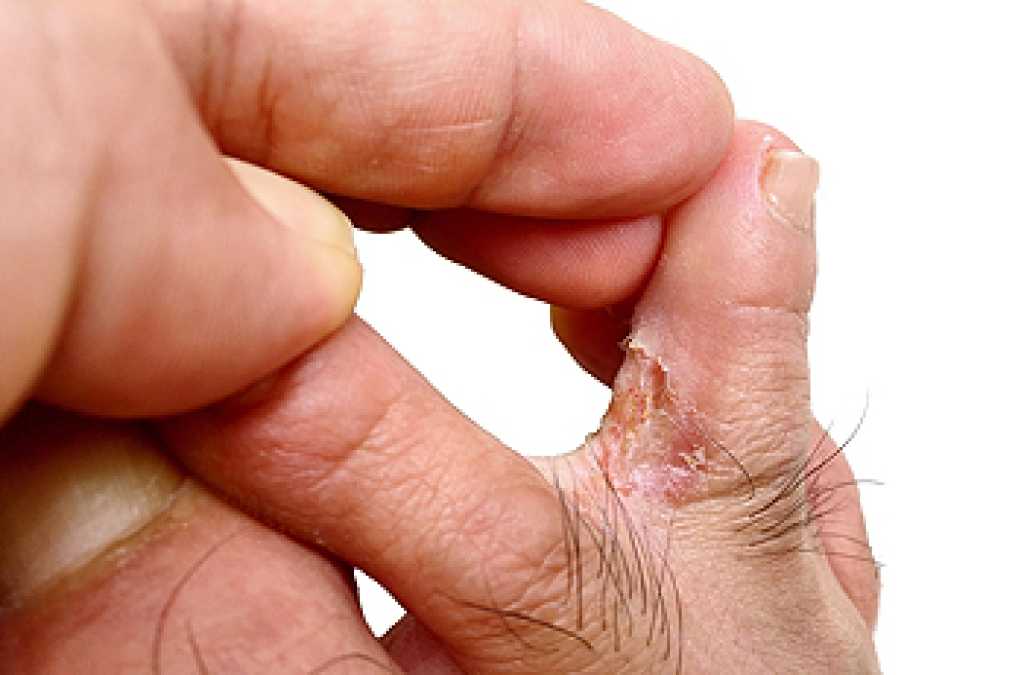
Tinea pedis, commonly called athlete’s foot, is a contagious fungal infection that appears in several forms. Interdigital athlete’s foot affects the spaces between toes, causing itching, peeling, and cracks. Moccasin-type spreads across the soles and sides of the foot, leading to dry, thickened skin. Additionally, vesicular athlete’s foot produces painful blisters, while ulcerative forms can create open sores and increase infection risk. Treatment depends on severity, with mild cases responding to over-the-counter antifungal creams, along with good hygiene and moisture control. Severe or persistent infections may require prescription oral medications. Preventive care, such as keeping feet dry, wearing breathable shoes, and avoiding barefoot exposure in public areas, helps reduce recurrence. If symptoms worsen or do not improve, it is suggested that you see a podiatrist for a proper diagnosis and appropriate treatment.
Athlete’s Foot
Athlete’s foot is often an uncomfortable condition to experience. Thankfully, podiatrists specialize in treating athlete’s foot and offer the best treatment options. If you have any questions about athlete’s foot, consult with Charles Perry, DPM from Ohio. Our doctor will assess your condition and provide you with quality treatment.
What Is Athlete’s Foot?
Tinea pedis, more commonly known as athlete’s foot, is a non-serious and common fungal infection of the foot. Athlete’s foot is contagious and can be contracted by touching someone who has it or infected surfaces. The most common places contaminated by it are public showers, locker rooms, and swimming pools. Once contracted, it grows on feet that are left inside moist, dark, and warm shoes and socks.
Prevention
The most effective ways to prevent athlete’s foot include:
Symptoms
Athlete’s foot initially occurs as a rash between the toes. However, if left undiagnosed, it can spread to the sides and bottom of the feet, toenails, and if touched by hand, the hands themselves. Symptoms include:
Diagnosis and Treatment
Diagnosis is quick and easy. Skin samples will be taken and either viewed under a microscope or sent to a lab for testing. Sometimes, a podiatrist can diagnose it based on simply looking at it. Once confirmed, treatment options include oral and topical antifungal medications.
If you have any questions, please feel free to contact our offices located in Cambridge and Zanesville, OH . We offer the newest diagnostic and treatment technologies for all your foot care needs.
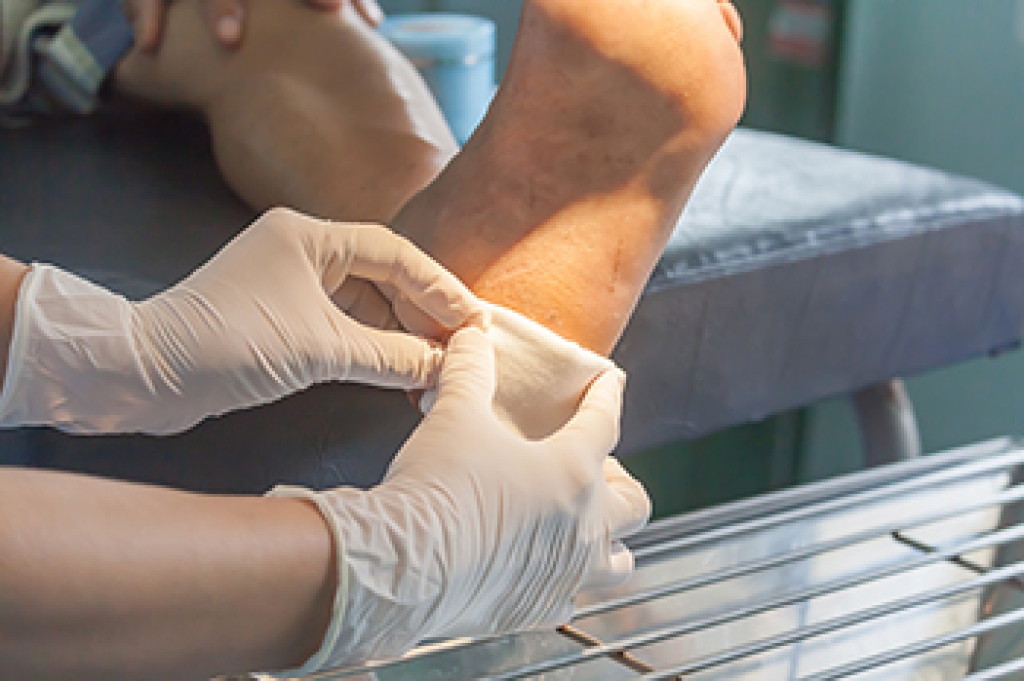
Diabetic foot wounds require prompt, specialized care to prevent infection and support healing. Treatment often begins with antimicrobial wound dressings, which help control bacteria and maintain a healthy wound environment. Compression therapy can improve circulation and reduce swelling, especially in patients with vascular concerns. Regular debridement is critical for removing dead or infected tissue, allowing healthy tissue to grow. Advanced therapies like negative pressure wound therapy use controlled suction to promote healing by reducing fluid buildup and increasing blood flow. Off-loading devices, including custom footwear or braces, relieve pressure on the affected area and help prevent further damage. A comprehensive, personalized approach using these treatments can greatly improve healing outcomes and reduce complications. If you or a loved one has a diabetic foot wound, it is suggested that you schedule an appointment with a podiatrist for expert care and prevention.
Wound care is an important part in dealing with diabetes. If you have diabetes and a foot wound or would like more information about wound care for diabetics, consult with Charles Perry, DPM from Ohio. Our doctor will assess your condition and provide you with quality foot and ankle treatment.
What Is Wound Care?
Wound care is the practice of taking proper care of a wound. This can range from the smallest to the largest of wounds. While everyone can benefit from proper wound care, it is much more important for diabetics. Diabetics often suffer from poor blood circulation which causes wounds to heal much slower than they would in a non-diabetic.
What Is the Importance of Wound Care?
While it may not seem apparent with small ulcers on the foot, for diabetics, any size ulcer can become infected. Diabetics often also suffer from neuropathy, or nerve loss. This means they might not even feel when they have an ulcer on their foot. If the wound becomes severely infected, amputation may be necessary. Therefore, it is of the upmost importance to properly care for any and all foot wounds.
How to Care for Wounds
The best way to care for foot wounds is to prevent them. For diabetics, this means daily inspections of the feet for any signs of abnormalities or ulcers. It is also recommended to see a podiatrist several times a year for a foot inspection. If you do have an ulcer, run the wound under water to clear dirt from the wound; then apply antibiotic ointment to the wound and cover with a bandage. Bandages should be changed daily and keeping pressure off the wound is smart. It is advised to see a podiatrist, who can keep an eye on it.
If you have any questions please contact our offices located in Cambridge and Zanesville, OH . We offer the newest diagnostic and treatment technologies for all your foot and ankle needs.
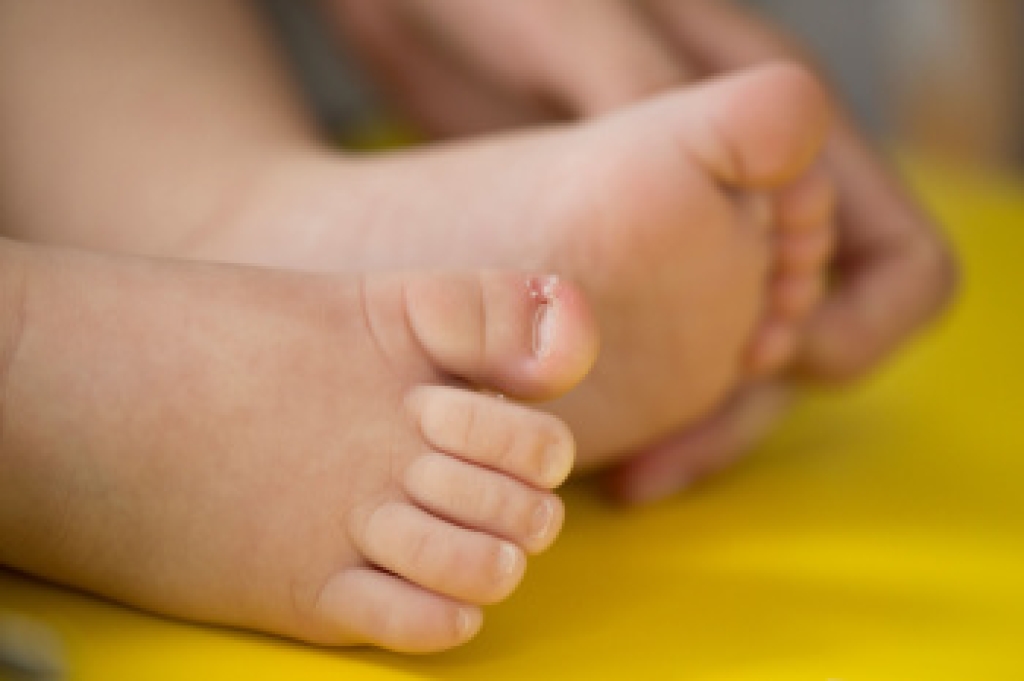
Ingrown toenails in babies occur when the sharp edge of a toenail grows into the surrounding skin, leading to redness, swelling, and possible infection. This can happen when the corners of the nail grow too deeply into the toe or when nails are trimmed too short. Risk factors include improper nail care, natural nail shape, and repeated irritation. Symptoms may include tenderness, inflammation, and discomfort when touching the affected area. Early attention is important to prevent complications. A podiatrist can safely treat the condition, relieve pain, and provide guidance on proper nail care and footwear. If your baby has signs of an ingrown toenail, it is suggested that you consult a podiatrist who can offer effective relief solutions.
Ingrown toenails can become painful if they are not treated properly. For more information about ingrown toenails, contact Charles Perry, DPM of Ohio. Our doctor can provide the care you need to keep you pain-free and on your feet.
Ingrown Toenails
Ingrown toenails occur when a toenail grows sideways into the bed of the nail, causing pain, swelling, and possibly infection.
Causes
Prevention
Wearing proper fitting shoes and using proper cutting techniques will also help decrease your risk of developing ingrown toenails.
Treatment
Ingrown toenails are a very treatable foot condition. In minor cases, soaking the affected area in salt or antibacterial soaps will not only help with the ingrown nail itself, but also help prevent any infections from occurring. In more severe cases, surgery is an option. In either case, speaking to your podiatrist about this condition will help you get a better understanding of specific treatment options that are right for you.
If you have any questions, please feel free to contact our offices located in Cambridge and Zanesville, OH . We offer the newest diagnostic and treatment technologies for all your foot care needs.
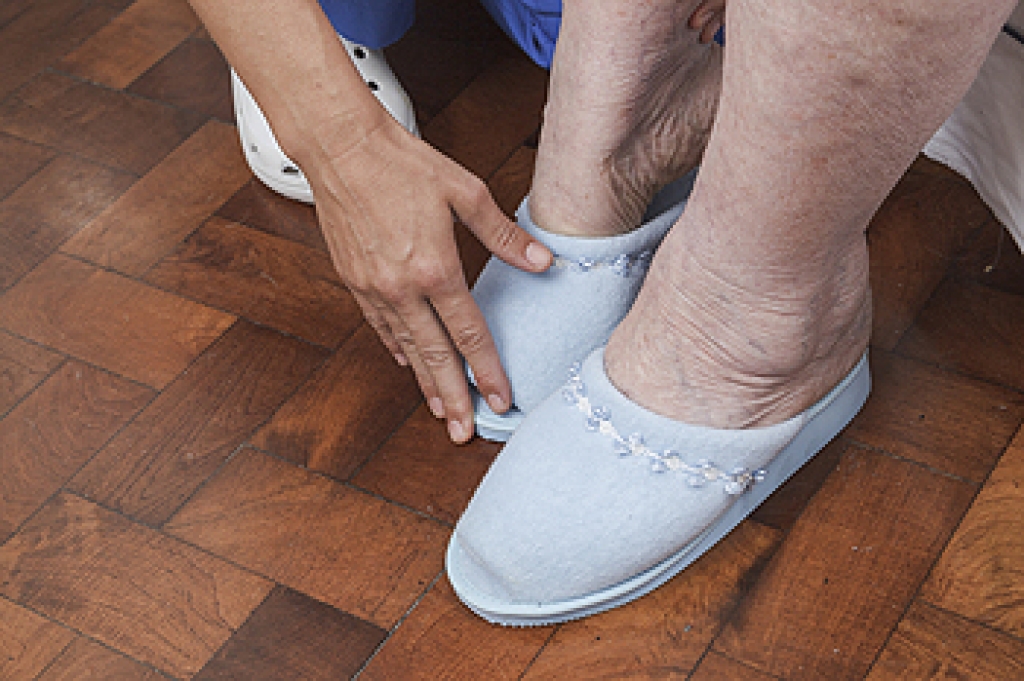
Feet often get less attention than other parts of the body, yet they change with each decade. In early adulthood, long hours on the feet, sports, and wearing tight shoes can lead to strain and early wear. In midlife, arches may begin to lower, and weight changes can increase pressure on joints and soft tissue. By later years, skin may thin and dry, nails can thicken, and circulation and sensation may decline, raising the risk of unnoticed problems. Because many changes happen slowly, they are easy to overlook until discomfort appears. Taking time to check your feet, wear supportive shoes, and keep skin and nails well cared for can make a difference at any age, but especially in older age. If you notice changes to your feet that concern you or do not improve, it is suggested that you see a podiatrist for a proper diagnosis and appropriate care.
If you need your feet checked, contact Charles Perry, DPM of Ohio. Our doctor will attend to all of your foot and ankle needs and provide you with quality treatment.
Geriatrics and Podiatry
When people age, some common issues that may occur are bone density loss, dry skin, poor circulation, and rough brittle nails. These issues may also affect your foot health if the necessary steps are not taken to alleviate the problems.
It is important to take care of your feet because feet that are injured or diseased can affect your overall health. Having painful feet hinders your ability to do daily activities or may decrease your willingness to do the things that you need to do.
Visiting Your Geriatrician
As we age, health problems become more likely, so it is essential to visit your doctor for check-ups to ensure that you are doing the best you can to take care of your health. It is recommended to check your feet frequently for any possible cuts, bruises, swelling, corns or any other irregularities.
Taking Care of Elderly Feet
Cracked or dry feet can be treated by applying moisturizer often. It is also important not to wear old socks because the older the sock is, the higher the possibility there will be that there is bacteria there. Wear fresh socks and make sure they fit properly.
Proper foot health means that you can have a more active lifestyle and you will not be bogged down by pain. Foot health also leads to good circulation, which is paramount for overall health.
If you have any questions, please feel free to contact our offices located in Cambridge and Zanesville, OH . We offer the newest diagnostic and treatment technologies for all your foot care needs.
Connect With Us
