
Gout is a painful, inflammatory form of arthritis. Those affected will typically feel an intense stiffness in the joints of their feet, particularly in the big toe. Schedule a visit to learn about how gout can be managed and treated.
Gout is a painful, inflammatory form of arthritis. Those affected will typically feel an intense stiffness in the joints of their feet, particularly in the big toe. Schedule a visit to learn about how gout can be managed and treated.

Tarsal tunnel syndrome is a nerve condition that develops when the tibial nerve becomes compressed. This happens as it passes through a narrow space on the inside of the ankle called the tarsal tunnel. The pressure can interfere with normal nerve function and lead to ongoing foot discomfort. The condition may be associated with injuries, swelling, or changes in the structures surrounding the nerve. Some people develop symptoms gradually. Others notice discomfort after an ankle injury or increased stress on the foot. Because several foot and ankle conditions can produce similar symptoms, an accurate diagnosis is essential. Early evaluation by a podiatrist can help identify the cause of nerve compression and support timely treatment before symptoms become more severe.
Symptoms of tarsal tunnel syndrome vary, depending on the amount of pressure placed on the nerve. Many people experience burning pain, tingling, or numbness along the inside of the ankle or the bottom of the foot. Others notice sharp, shooting pain that may spread into the toes or heel. Symptoms often become more noticeable after prolonged standing or walking and may gradually interfere with daily activities. As the condition progresses, some individuals also develop weakness in the affected foot. Persistent nerve irritation should not be ignored because ongoing compression may affect normal sensation and foot function. A thorough examination is important to determine whether tarsal tunnel syndrome or another condition is responsible for the symptoms.
A podiatrist specializes in diagnosing and treating conditions that affect the feet, ankles, and surrounding nerves. During an examination, the podiatrist evaluates your symptoms, foot structure, and walking mechanics while looking for signs of nerve compression. Additional testing may be recommended to confirm the diagnosis and rule out other causes of foot pain. Treatment focuses on relieving pressure on the nerve, improving foot function, and reducing discomfort. If you are experiencing burning foot pain, tingling, or numbness that may be related to tarsal tunnel syndrome, it is suggested that you consult a podiatrist for an evaluation and appropriate treatment options.
Tarsal tunnel syndrome can be very uncomfortable to live with. If you are experiencing tarsal tunnel syndrome, contact Charles Perry, DPM of Ohio. Our doctor can provide the care you need to keep you pain-free and on your feet.
Tarsal Tunnel Syndrome
Tarsal tunnel syndrome, which can also be called tibial nerve dysfunction, is an uncommon condition of misfiring peripheral nerves in the foot. The tibial nerve is the peripheral nerve in the leg responsible for sensation and movement of the foot and calf muscles. In tarsal tunnel syndrome, the tibial nerve is damaged, causing problems with movement and feeling in the foot of the affected leg.
Common Cause of Tarsal Tunnel Syndrome
The Effects of Tarsal Tunnel Syndrome
A physical exam of the leg can help identify the presence of tarsal tunnel syndrome. Medical tests, such as a nerve biopsy, are also used to diagnose the condition. Patients may receive physical therapy and prescriptive medication. In extreme cases, some may require surgery.
If you have any questions please contact our offices located in Cambridge and Zanesville, OH . We offer the newest diagnostic and treatment technologies for all your foot and ankle needs.
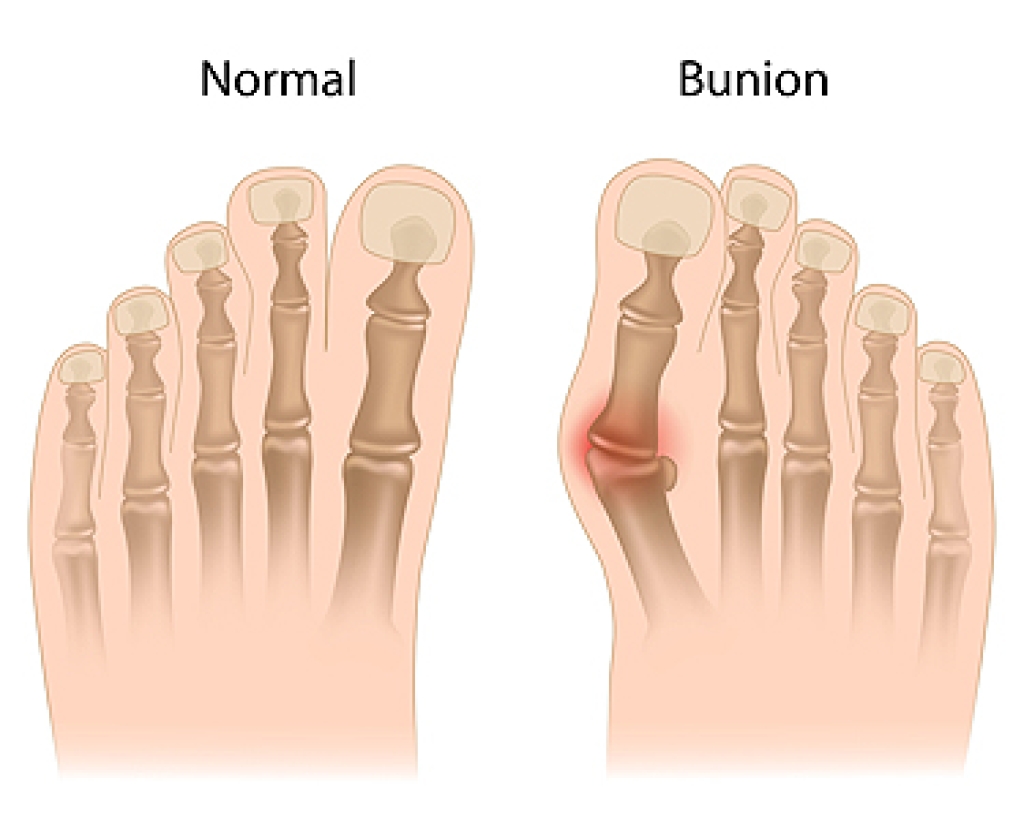
Bunions are structural deformities that affect the alignment of the big toe joint, often leading to discomfort and reduced mobility. This condition occurs when the first metatarsal bone shifts outward while the big toe angles inward, forming a noticeable bump. The imbalance in the foot structure places stress on surrounding tissues, which can lead to inflammation and pain. Bunions do not develop overnight. They form gradually as pressure builds on the joint. Understanding how bunions develop is essential for recognizing symptoms early and preventing further complications.
Common symptoms include aching pain around the base of the big toe, swelling, and visible enlargement of the joint. Many individuals report increased discomfort during activity or after long periods of standing. Wearing tight shoes can worsen symptoms, leading to redness and irritation. Some people experience stiffness in the toe joint, which limits flexibility and affects walking patterns. As the condition progresses, the toes may crowd together, creating additional pressure points. These symptoms can interfere with daily routines and reduce overall comfort if left untreated.
Risk factors for bunions include inherited foot mechanics, improper footwear, and repetitive stress on the feet. People with a family history of bunions are more likely to develop the condition due to a similar bone structure. Wearing shoes that compress the toes, such as narrow or high-heeled styles, increases the likelihood of joint misalignment. Activities that involve constant pressure on the forefoot can also contribute. In some cases, underlying conditions like inflammatory joint disease may accelerate bunion formation. Identifying these risk factors allows for preventive strategies that support foot alignment and function.
The causes of bunions center on mechanical stress and structural imbalance within the foot. Over time, uneven weight distribution forces the joint out of place, resulting in the characteristic bump. Managing bunions involves reducing pressure, improving foot support, and maintaining proper alignment. Custom orthotics, wider shoes, and activity modification can help alleviate symptoms and slow progression. If you have bunions and notice worsening pain or difficulty with footwear, it is suggested you consult a podiatrist to receive a thorough evaluation and personalized care plan.
If you are suffering from bunion pain, contact Charles Perry, DPM of Ohio. Our doctor can provide the care you need to keep you pain-free and on your feet.
What Is a Bunion?
Bunions are painful bony bumps that usually develop on the inside of the foot at the joint of the big toe. As the deformity increases over time, it may become painful to walk and wear shoes. Women are more likely to exacerbate existing bunions since they often wear tight, narrow shoes that shift their toes together. Bunion pain can be relieved by wearing wider shoes with enough room for the toes.
Causes
Symptoms
In order to diagnose your bunion, your podiatrist may ask about your medical history, symptoms, and general health. Your doctor might also order an x-ray to take a closer look at your feet. Nonsurgical treatment options include orthotics, padding, icing, changes in footwear, and medication. If nonsurgical treatments don’t alleviate your bunion pain, surgery may be necessary.
If you have any questions, please feel free to contact our offices located in Cambridge and Zanesville, OH . We offer the newest diagnostic and treatment technologies for all your foot care needs.

Chronic ankle instability is a condition that develops when the ankle repeatedly gives way due to weakened ligaments following an ankle sprain. It is defined as a loss of stability in the ankle joint, often caused by incomplete healing or repeated injury. When a sprain stretches or tears the supporting ligaments, the joint may not regain full strength, leaving it vulnerable to further damage. Over time, this instability can affect balance, coordination, and overall foot function.
Common symptoms of ankle instability include a feeling of the ankle giving out, especially on uneven surfaces or during physical activity. Patients may experience persistent swelling, discomfort, and tenderness around the joint. Recurrent ankle sprains are a key sign, as unstable ankle joints can easily be twisted again. Some individuals also report weakness, reduced range of motion, and difficulty maintaining balance during movement.
Several causes and risk factors contribute to the development of chronic ankle instability. A previous ankle sprain is the most significant factor, particularly if it was not properly treated or rehabilitated. Ligament laxity, muscle weakness, and poor proprioception can also increase the risk. Athletes and individuals who participate in high impact activities are more prone to repeated injuries. Wearing unsupportive footwear and walking on uneven surfaces may further increase the likelihood of instability.
Proper management is essential to restore strength and prevent future sprains. Treatment may include targeted exercises to improve balance and stability, supportive bracing, and custom orthotics to enhance alignment. Early care can reduce the risk of long term joint damage. If you have sprained your ankle, it is suggested that you consult a podiatrist who can accurately diagnose and treat this condition, which may include appropriate stretches to prevent recurring ankle sprains.
Ankle sprains are common but need immediate attention. If you need your feet checked, contact Charles Perry, DPM from Ohio. Our doctor can provide the care you need to keep you pain-free and on your feet.
How Does an Ankle Sprain Occur?
Ankle sprains take place when the ligaments in your ankle are torn or stretched beyond their limits. There are multiple ways that the ankle can become injured, including twisting or rolling over onto your ankle, putting undue stress on it, or causing trauma to the ankle itself.
What Are the Symptoms?
Preventing a Sprain
Treatment of a Sprain
Treatment of a sprain depends on the severity. Many times, people are told to rest and remain off their feet completely, while others are given an air cast. If the sprain is very severe, surgery may be required.
If you have suffered an ankle sprain previously, you may want to consider additional support such as a brace and regular exercises to strengthen the ankle.
If you have any questions please feel free to contact our offices located in Cambridge and Zanesville, OH . We offer the newest diagnostic tools and technology to treat your foot and ankle needs.

Wearing the right shoes plays an important role in protecting foot health and preventing pain. Shoes that fit correctly help support the feet while walking and standing. Poorly fitting shoes can place extra pressure on certain areas of the foot and contribute to problems, such as bunions, corns, calluses, and hammertoes. A hammertoe is a toe that bends abnormally at one of its joints. Shoes with a wide toe box give the toes enough room to move naturally. The toe box is the front part of the shoe that surrounds the toes. Proper shoes also help distribute body weight more evenly across the foot, reducing stress on joints and soft tissues.
Several features make a shoe healthier for the feet. Shoes with low heels place less pressure on the front of the foot than high-heeled shoes. A wide and deep toe box helps prevent crowding of the toes. Breathable materials allow air to circulate around the feet. Lace-up shoes usually provide a more secure fit than slip-on styles. A firm heel counter, which is the back portion of the shoe, helps keep the foot stable. The sole should provide cushioning and support. A shoe should also allow the ball of the foot to rest comfortably in the widest part of the shoe.
A podiatrist can evaluate foot structure, walking patterns, and shoe-related problems. Foot pain sometimes develops because shoes do not match the shape or needs of the feet. A podiatrist can identify pressure points, diagnose shoe-related conditions, and recommend footwear that offers better support and comfort. In some cases, special shoes or custom orthotics worn inside shoes help improve foot function. Professional evaluation can also help prevent existing foot conditions from becoming more serious. If you have foot pain that worsens when wearing shoes, it is suggested that you schedule an appointment with a podiatrist for guidance on how to choose shoes that fit properly.
Getting the right shoe size is an important part of proper foot health. Seek the assistance of Charles Perry, DPM from Ohio. Our doctor will provide the care you need to keep you pain-free and on your feet.
Getting the Right Shoe Size
There are many people who wear shoes that are the incorrect size, negatively affecting their feet and posture. Selecting the right shoes is not a difficult process, so long as you keep several things in mind when it comes to choosing the right pair.
As our feet hold our body weight and keep us moving, it is important to treat them right. Picking the right pair of shoes can provide your feet comfort and mobility without pain.
If you have any questions, please feel free to contact our offices located in Cambridge and Zanesville, OH . We offer the newest diagnostic and treatment technologies for all your foot care needs.
Connect With Us
